
Ask most women what menopause looks like, and you’ll hear the same answer: hot flashes. So when the first changes are waking at 3 a.m. for no reason, anxiety that seems to arrive out of nowhere, or losing a word mid-sentence, perimenopause is rarely the first suspect.
Instead, those symptoms get filed under stress, such as work, parenting, or just getting older.
Meanwhile, the actual explanation can hide in plain sight for years.
What Perimenopause Actually Is
Perimenopause is the transition leading up to menopause, the stretch of years when the ovaries’ hormone production becomes less predictable. Estrogen and progesterone don’t decline in a smooth, straight line; they fluctuate, sometimes dramatically. That’s why symptoms can come and go, ramp up and ease off, and generally refuse to follow a tidy pattern.
This transition commonly begins in a woman’s forties, though it can start earlier or later, and it may last several years. Menopause itself is generally identified in hindsight: after 12 consecutive months without a menstrual period, when no other cause is responsible.
That means women do not have to wait for a definite menopause diagnosis before discussing symptoms or possible treatment. Perimenopause symptoms can become significant well before menopause is officially reached, and care can be based on the overall clinical picture, symptoms, history, and individual needs.
The Symptoms That Fly Under the Radar
Hot flashes and night sweats get the attention. These often don’t:
Sleep changes, without night sweats. Trouble staying asleep, waking at 3 a.m., or sleep that never feels refreshing can be an early sign, even when temperature isn’t the issue.
New or amplified anxiety and irritability. Some women with no history of anxiety notice a shorter fuse or a low hum of worry that wasn’t there before.
Brain fog. Trouble concentrating, word-finding pauses, walking into a room and forgetting why. It can be unsettling, and it’s a frequently reported part of this transition.
Cycle changes that seem too minor to mention. Cycles running a little shorter or longer, flow becoming heavier or lighter. And yes, perimenopause can begin while your periods still look fairly regular.
Heart palpitations. Fluttering or racing sensations can occur during this transition and are always worth mentioning to a clinician so other causes can be considered.
Joint and muscle aches. New stiffness or discomfort without an obvious injury.
Headache or migraine changes. Existing migraines may shift in pattern, or headaches may appear for the first time.
Vaginal dryness, discomfort with sex, or urinary symptoms. Common, very treatable, and very rarely brought up without being asked.
Changes in libido.
Temperature sensitivity. Running warmer or colder than usual, short of a full hot flash.
Shifts in weight or body composition, particularly around the middle, despite unchanged habits.
Why These Symptoms Get Missed
They tend to arrive gradually, one at a time, which makes each one easy to explain away on its own. Adding to the confusion, hormone levels fluctuate so much during perimenopause that a single blood test may not confirm or rule out the transition. Recognizing it usually depends on the overall pattern, age, menstrual history, and symptoms considered together, rather than one number.
It Isn’t Always Perimenopause
Here’s the honest part: none of the symptoms above is specific to perimenopause. Thyroid conditions, iron deficiency and anemia, other nutrient deficiencies, sleep disorders, medication effects, metabolic conditions, and anxiety or depression can produce a nearly identical picture, and each is addressed very differently.
One more thing that surprises people: pregnancy remains possible until menopause is complete. Ovulation becomes unpredictable, not impossible, and menopausal hormone therapy is not contraception.
This overlap is exactly why a careful evaluation matters more than self-diagnosis, including the self-diagnosis of “I’m just stressed.”
What an Evaluation Looks Like
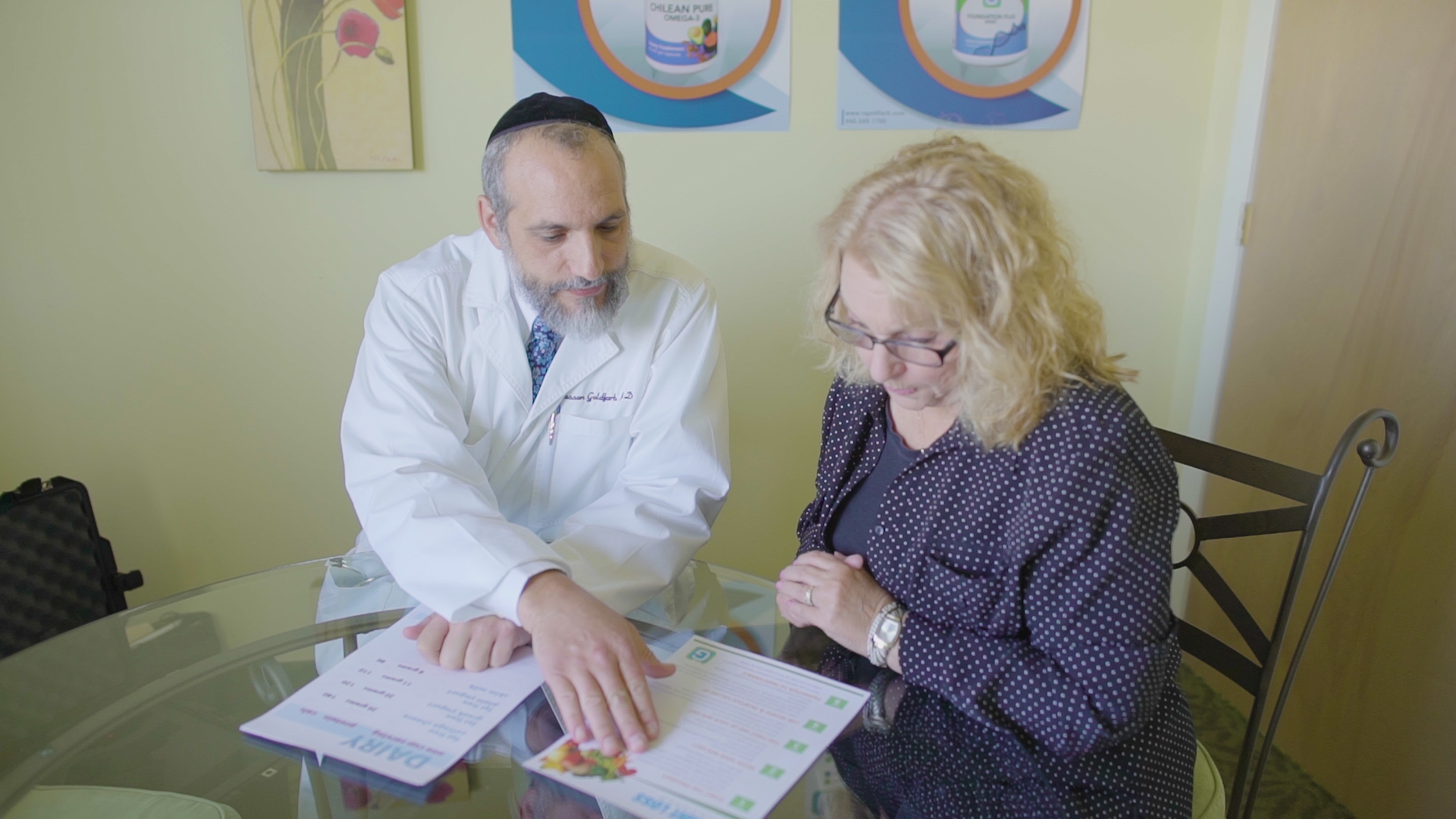
At Integrative Medicine and Wellness Center in Solon, Nosson Goldfarb, M.D., starts with the full story: your age, menstrual history, symptom pattern, medications and supplements, medical history, personal factors, work, life, family stress, and personal risk factors. Laboratory testing may be used, not as a blanket panel, but to investigate other possible causes or answer a specific clinical question.
With more than 25 years of experience serving the Greater Cleveland community, Dr. Goldfarb combines conventional medical evaluation with complementary approaches, tailoring the plan to each patient rather than following a fixed protocol.
Treatment Isn’t One-Size-Fits-All
Depending on your symptoms, history, and preferences, options may include lifestyle changes, sleep support, mental-health care, nonhormonal medications, vaginal therapies, or systemic hormone therapy, including bioidentical hormone replacement therapy (BHRT) when clinically appropriate.
Not every woman needs hormone therapy. For those who are good candidates, it may help with symptoms, and risks and benefits are always reviewed individually before any decision is made.
For years, many women have heard frightening or overly broad messages about hormone replacement therapy, which can make them hesitant to even discuss it with a physician. Hormone therapy, however, is not a single one-size-fits-all treatment.
Conventional hormone therapy may use standardized estrogen and progesterone formulations, while bioidentical hormone replacement therapy uses hormones that are chemically identical to hormones produced by the human body. The appropriate type, dose, and delivery method depend on the individual woman’s symptoms, medical history, risk factors, and treatment goals.
Dr. Goldfarb can discuss the differences, potential benefits, and risks so treatment decisions are made based on the individual rather than fear or a blanket recommendation.
Symptoms That Deserve Prompt Attention
Certain bleeding patterns should always be evaluated promptly rather than watched: very heavy bleeding, bleeding between periods, bleeding after sex, and any bleeding after menopause. And symptoms such as chest pain, fainting, stroke-like symptoms, or severe shortness of breath call for emergency care right away.
You Don’t Have to Wait Until It’s “Bad Enough”
Many women put up with these changes for years because no single symptom seemed serious enough for an appointment. If your sleep, mood, focus, or daily life is being affected, that’s reason enough for a conversation now.
Integrative Medicine and Wellness Center is located at 6001 Cochran Road, Suite 404 in Solon, Ohio, serving patients throughout Greater Cleveland. You can request an appointment online, and the office will follow up with you.